
The product should serve the strategy, not become the strategy.
A Las Vegas brokerage, owned and run by licensed brokers who live here. We start with how you are built, not with what we have to sell.
Who is ProtectHealth?
ProtectHealth is a licensed insurance brokerage based in Las Vegas, owned and operated by three working brokers rather than by an out-of-state parent company. The agency has grown into one of Nevada's largest individual health insurance agencies, with a statewide network of more than 40 licensed brokers and a Google rating of 4.9 across 703+ reviews.
The office sits at 2915 W. Charleston Blvd, Suite 170, on the stretch of Charleston between downtown and the west side of the valley. That matters more than it sounds like it should. The people answering the phone know the difference between a plan that works well in Summerlin and one that leaves a Henderson family driving across town for a specialist. They know which weeks of the year a Realtor's income spikes and which months it disappears. That is not information you can get from a call center in another state.
Why does ProtectHealth work differently?
Most of the insurance industry leads with a product and works backward to justify it. ProtectHealth reverses the order: understand the person first, then find the coverage that fits.
The reason is practical, not philosophical. Two neighbors on the same street, earning within a few thousand dollars of each other, can need completely different coverage. Age, household size, tax-credit eligibility, which doctors they already see, which prescriptions they take, how much care they expect to use in the next twelve months, and how much financial exposure they can absorb if something goes wrong all move the answer. A product-first conversation cannot account for any of that, because the conclusion was decided before the conversation started.
So a ProtectHealth conversation is mostly questions. Some of them are the ones people expect. Several are not.
What does a strategy-first conversation actually cover?
A first conversation covers six areas before any plan is named. The point is to eliminate options that were never going to work, so the remaining choice is short and defensible.
| What gets asked | Why it changes the answer |
|---|---|
| How you are paid | W-2, 1099, commission, or owner draw changes which structures are even available to you. |
| Household and income picture | Determines tax-credit eligibility and whether a marketplace plan or an off-marketplace plan is the stronger buy. |
| Doctors you already use | Networks in the valley are not interchangeable. Keeping a specialist you trust is often the deciding factor. |
| Prescriptions | Two plans with identical premiums can differ by thousands of dollars a year on one drug. |
| Expected usage | A planned surgery, a pregnancy, or a chronic condition inverts the math on deductibles. |
| Financial exposure | The real question is not the premium, it is what a bad year would cost you in total. |
Why does being local matter for health insurance in Las Vegas?
Nevada does not run on the federal system, and the Las Vegas Valley does not have one interchangeable network. Both facts change the answer, and both are easy to get wrong from out of state.
Nevada runs its own marketplace, and the calendar is genuinely different. Coverage here is bought through Nevada Health Link, operated by the Silver State Health Insurance Exchange, not through healthcare.gov. That distinction stopped being academic this year. Nevada open enrollment runs November 1 through January 15, while states on the federal platform close on December 15. Nearly every national article written about the change quotes the federal date, which means a Nevadan reading national coverage believes the window shuts thirty-one days earlier than it does. The date that does bind here is December 31: select a plan by then and coverage starts January 1, and a plan selected between January 1 and January 15 starts February 1. The full breakdown of what applies here and what does not is on the 2027 ACA changes page.
The valley is not one interchangeable network. Southern Nevada grew fast and unevenly, and provider groups contract plan by plan rather than company by company. The same medical group can be in network on one plan and out on another from the same carrier. Where you live, whether that is Summerlin, Henderson, North Las Vegas, Spring Valley or Enterprise, affects which facilities are realistically reachable. So the question that actually matters is never "is this a good plan." It is "does this plan include the people I already trust with my care," and the two-minute method for answering it is in how to check if a doctor is in network.
Las Vegas is a 1099 town, and 1099 income is lumpy. Realtors, hospitality workers, entertainers, tipped employees, rideshare drivers, trainers and contractors make up an enormous share of this economy. That creates a problem the marketplace was not really designed for: to get an accurate subsidy you have to estimate next year's income in advance. When earnings depend on convention season, commission closings or how many shifts got picked up, that estimate is a guess, and the IRS reconciles it against the real number at tax time. Guessing badly is one of the most common reasons people here owe money they did not expect. The method is in how to estimate income for health subsidies, and the trap gets more expensive this year, because a single unfiled tax year can now block the subsidy outright.
Nevada prohibits a tip credit, which changes payroll for every hospitality employer here. Tips cannot be applied toward the minimum wage in this state, unlike most of the country. For a restaurant, bar or salon owner reading national payroll advice, that one difference invalidates a surprising amount of it. What still applies, and what does not, is in tipped payroll mistakes Las Vegas employers make.
Nevada has no state income tax. For self-employed clients weighing how to structure benefits, the tax picture here is not the same as it is in California or Arizona, and the federal deduction is the whole benefit rather than one of two. That is a conversation worth having with your tax professional, and one we will tell you to have.
What does "insurance nerds, not tax professionals" mean?
ProtectHealth brokers are licensed insurance professionals, not CPAs or tax attorneys. The line exists because it gets crossed constantly in this industry.
Tax and business structure come up in almost every self-employed conversation, especially around tax-advantaged health-benefit arrangements. When it does, ProtectHealth brokers explain how the coverage side works and then recommend a short conversation with the client's own tax professional before anything is finalized. Nothing about these structures is universal, and eligibility depends on business structure, income, and household situation. Good strategy happens when the insurance advisor and the tax professional are working from the same page. It falls apart when one of them pretends to be the other.
Who does ProtectHealth serve?
Five groups, each with a different starting question. The coverage lines overlap; the strategy rarely does.
- Individuals and families comparing health, life, dental, and vision coverage, including families who have been quoted a number that felt wrong and want a second read.
- Realtors, 1099 contractors, and self-employed professionals who lost group coverage when they went independent, or never had it. Commission income and variable months are the norm here, not the exception. See the self-employed strategy page.
- Medicare-eligible Nevadans working through Parts A through D, Medigap, and the timing rules that create lifelong penalties when missed.
- Small business owners with employees weighing whether a traditional group plan is still the right instrument, with payroll, HR, and benefits administration support available through the ProtectHealth and Paychex partnership.
- People who already have coverage and want to know whether they are overpaying, under-covered, or in a network that no longer includes their doctor.
Who are the people behind ProtectHealth?
Licensed brokers who live in the valley, several of them for decades. The agency is owner-operated, and the owners still take client conversations.
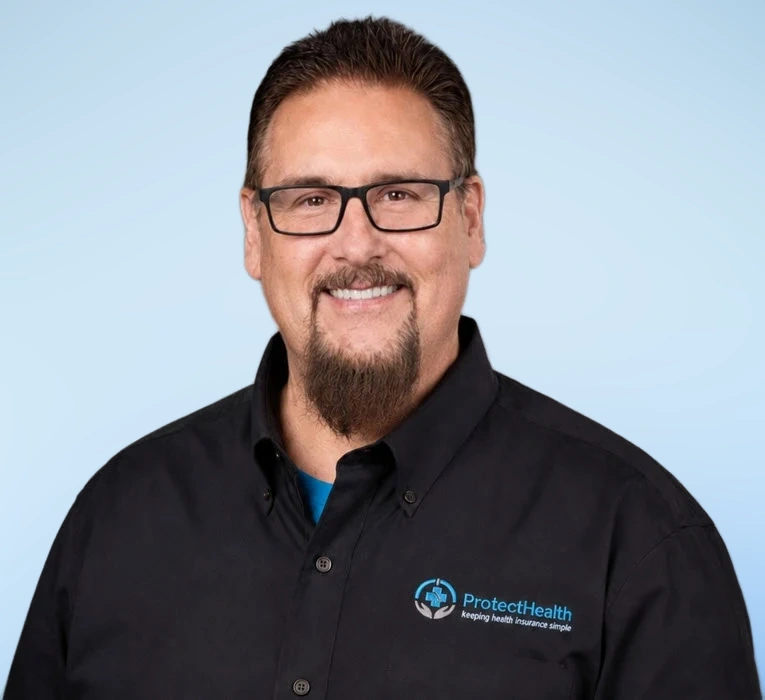
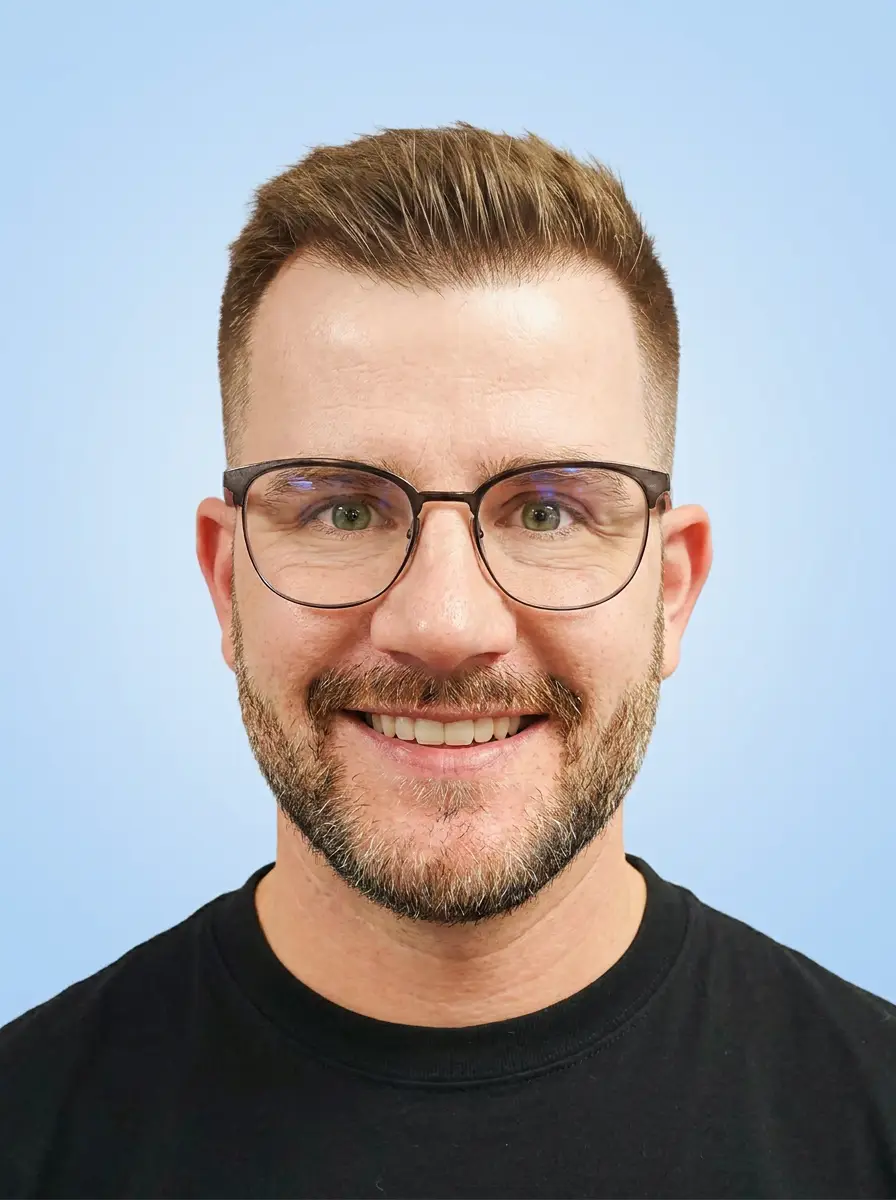
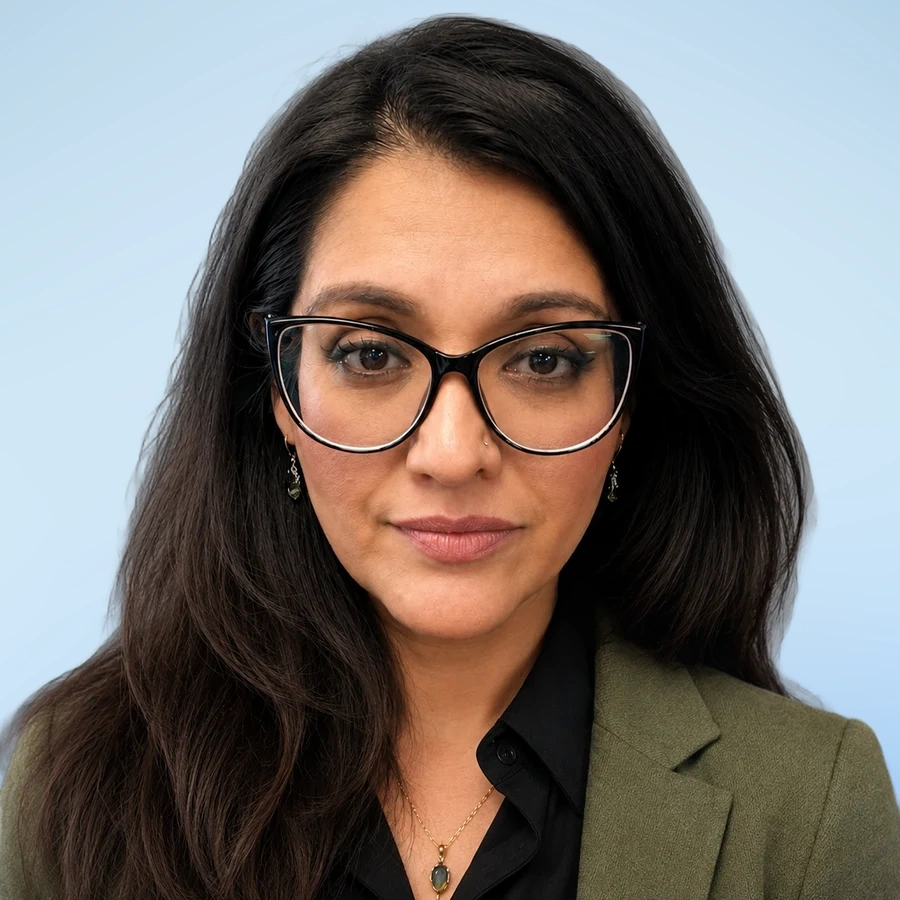

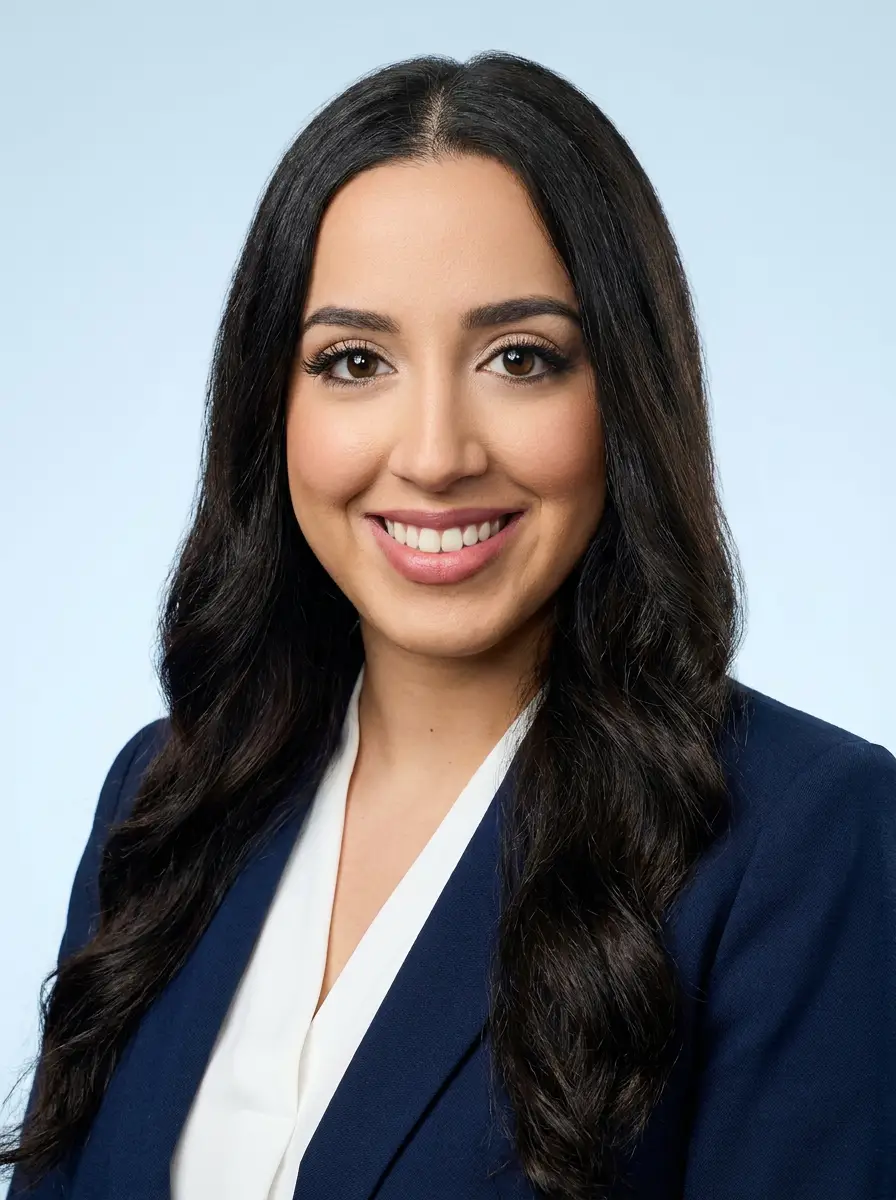
Brian D. Douglas is the Owner and CEO, a licensed broker and benefits advisor who leads the statewide broker network and has built the agency around education and service rather than volume. Robert Morgen is an Owner and COO, a Las Vegas-based licensed Life and Health broker with more than a decade serving Nevada families and small businesses, who runs employer group services and trains the agency's brokers. Brenda Morgen is a licensed broker who works with Nevada individuals and families on the coverage that sits alongside a health plan rather than inside it, life, dental, and vision, the decisions that tend to get made last and matter more than people expect. Jason Vasquez is a licensed broker with over sixteen years in the financial industry who was raised in Las Vegas and treats insurance as one component of a larger financial plan. Janet Nevarez is Director of Administration and Operations, and the reason licensing, compliance, and follow-through actually happen on schedule.
Full bios, credentials, and the rest of the team are on the our team page.
How can a Nevadan verify any of this?
Through the state, not through us. Every insurance producer operating in Nevada holds a license that is publicly verifiable through the Nevada Division of Insurance, which is also where a complaint gets filed if one ever needs to be. Look up ProtectHealth. Look up whoever else you are considering. It takes about a minute and it is the single most useful minute available to an insurance shopper.
Three questions worth asking any broker, including this one. How do you get paid? The honest answer is that carriers pay commission, and plan pricing is identical whether a broker is involved or not, so a broker who is cagey about compensation is telling you something. What does this policy not cover? Anyone who cannot answer that quickly has not read it. What does a bad year cost me in total? If the answer is a monthly premium rather than an out-of-pocket maximum, the wrong number is being sold. The full version of that framework, written so it works with any agent rather than just with us, is in the ProtectHealth Buyer's Guide.
What happens in the first conversation?
Twenty minutes, no pitch. A broker asks questions, explains what the options are and are not, and tells you plainly if the smartest move is to keep what you already have.
There is no obligation attached and no follow-up campaign waiting on the other side of it. Some conversations end with an enrollment. A fair number end with "your current plan is fine, do nothing." Both are good outcomes, because the point of the call is to give you a decision you can defend, not to move a product.
You can book that conversation directly on the calendar and pick a time that works, or call 800-240-8185 and talk to someone now.
Twenty minutes, no pitch, just clarity.
Pick a time with a licensed Nevada broker. Bring your current plan, your doctors, and your questions.
Talk To A BrokerProtectHealth brokers are insurance professionals, not tax professionals. Nothing on this page implies that every self-employed person or business qualifies for any specific structure. Eligibility for coverage and for tax-advantaged health-benefit arrangements depends on business structure, income, and household situation. Plan availability, provider networks, and enrollment deadlines change; confirm current details with a licensed broker before making a decision. When tax or business structure enters the conversation, a brief chat with a licensed tax professional is a make-sense next step.